Different Names of Fluorspar in Global Trade
2025-08-02
The Role of Fluorspar in Aluminum Production: Characteristics and Consumption Patterns
2025-09-04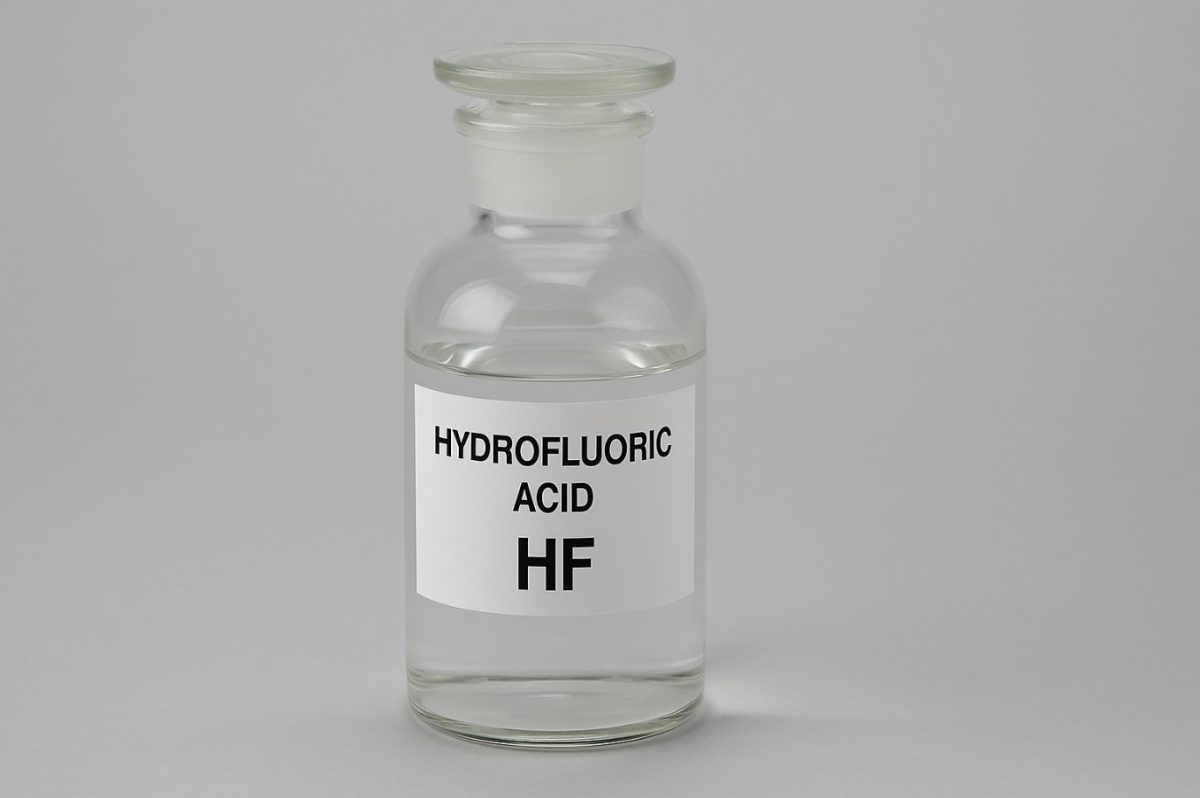
Introduction
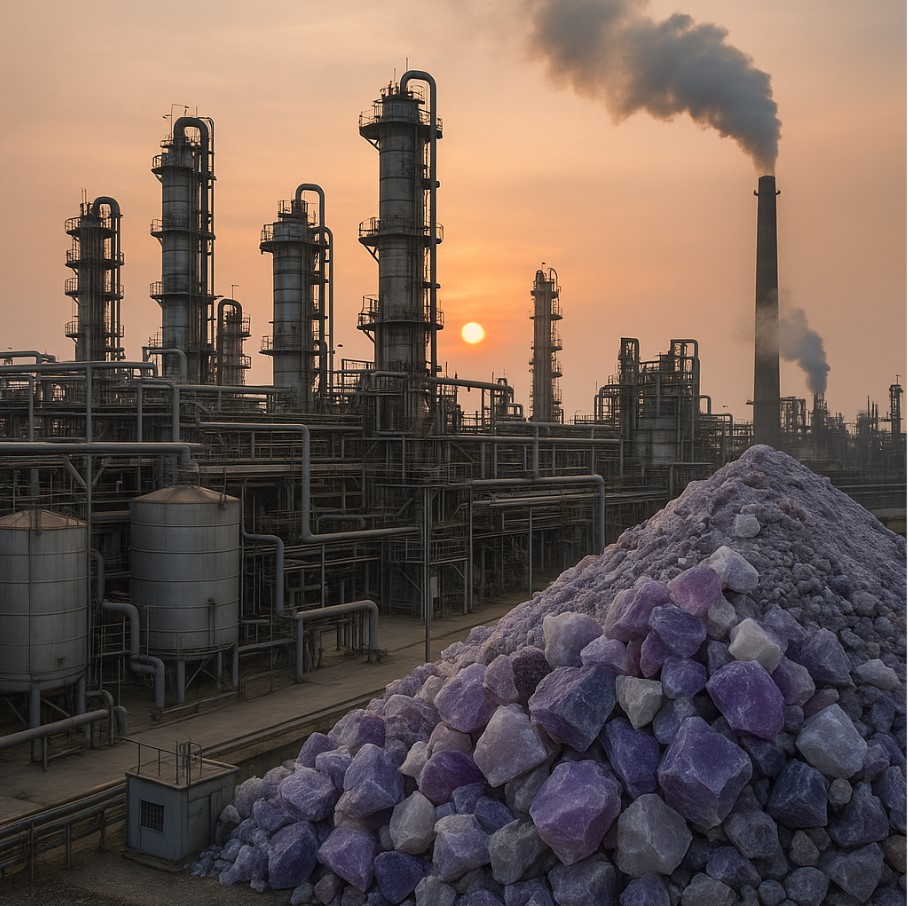
Fluorspar is the starting point of a chain that ends with hydrofluoric acid (HF)—a strategic acid that underpins almost all fluorochemical processes. In practice, acid-grade fluorspar (Acidspar, CaF₂ >97%) is primarily used to produce HF, and most of the mineral’s added value is realized through this pathway. Industrial estimates show that Acidspar accounts for 60–65% of global fluorspar production, and is “mainly” consumed in HF production. HF itself then becomes the feedstock for refrigerants, fluoropolymers, and mineral fluorides.
From a production technology perspective, over 90% of global HF capacity is supplied from fluorspar (rather than substitute sources such as fluosilicic acid/FSA). This makes mining and steady access to high-quality Acidspar a critical driver for HF supply chains.
The role of HF is not only historical or traditional; new applications are rapidly emerging. In semiconductors and solar energy, electronic-grade HF is indispensable for etching and cleaning silicon wafers and photovoltaic cells. In the lithium-ion battery chain (especially EVs), HF plays a crucial role: LiPF₆ (the main lithium salt electrolyte) is produced via PF₅ derived from HF, while PVDF (the electrode binder) is made from HF-based fluorinated monomers. Thus, the growth of electric vehicles and advanced electronics indirectly drives demand for HF.
Market data consistently highlights that HF is the largest end-use of fluorspar globally, typically accounting for around 60% of consumption, with the remaining share split between aluminum fluoride (AlF₃), steel fluxes (metspar), and ceramics/glass. Later sections of this article will present updated figures and regional trends in detail.
Why is HF the Primary Use of Fluorspar?
Hydrofluoric acid (HF) is regarded as the most important downstream product of fluorspar because it serves as the foundation for producing dozens of strategic and high-value materials. Virtually no major fluorochemical industry can function without HF. Key reasons include:
1. Central Role in the Fluorochemical Chain
HF is the starting point of fluorine chemistry. From HF come hundreds of compounds that are vital to diverse industries—from refrigerants in cooling systems to fluoropolymers such as Teflon, and pharmaceutical intermediates.
2. Massive Consumption in Refrigerants
The largest single use of HF is in the production of refrigerant gases. The HVAC and industrial cooling sectors worldwide rely on fluorocarbon-based refrigerants, all of which are HF-derived. Global demand for cooling, along with the phaseout of older refrigerants in favor of new, environmentally safer ones, keeps HF consumption consistently high.
3. Fluoropolymers and Specialty Plastics
HF is the feedstock for producing advanced fluoropolymers:
- PTFE (Teflon): Highly resistant to heat and chemicals; used in chemical processing, medical equipment, and cookware.
- PVDF: Used in lithium battery components, wiring, and coatings.
- Other specialty polymers critical in automotive and electronics industries.
4. Essential Role in Aluminum Industry
HF is used to manufacture aluminum fluoride (AlF₃) and synthetic cryolite (Na₃AlF₆), both essential in the aluminum smelting process. These compounds lower melting points, improve efficiency, and reduce energy consumption in electrolytic aluminum production.
5. Broad Range of Specialty Applications
HF is also used to produce pharmaceuticals, agrochemicals, explosives, and even specialized fuels. This diversity ensures its importance across both large-scale and niche high-value industries.
The Process of Producing HF from Fluorspar
Producing hydrofluoric acid (HF) from fluorspar is one of the most critical chemical processes in the mineral and chemical industries.
Main Chemical Reaction
HF is generated by reacting fluorspar (CaF₂) with concentrated sulfuric acid (H₂SO₄) at high temperature:
CaF2 + H2SO4 → 2 HF + CaSO4
The byproduct of this reaction is calcium sulfate (CaSO₄), also known as gypsum.
Equipment and Process Conditions
- Reactor Furnaces: Crushed fluorspar and sulfuric acid are introduced here.
- Absorbers: The HF gas released is cooled and condensed.
- Purification Units: Distillation and filtration ensure the required purity levels, ranging from industrial-grade to high-purity electronic-grade HF.
Typical operating temperatures range from 200 to 250 °C, with strict moisture and impurity controls to guarantee product quality.
Types of HF Produced
- Aqueous HF: An HF solution in water, used in glass etching, metal cleaning, and some chemical syntheses.
- Anhydrous HF: Pure HF, used as the feedstock for most fluorochemicals such as refrigerants and fluoropolymers.
Safety Considerations
HF is extremely hazardous and corrosive. Direct exposure can cause severe harm, making strict health, safety, and environmental (HSE) standards essential in production, storage, and transport.
Major Applications of HF
HF’s unique properties make it indispensable across numerous industries, making it the largest downstream market for fluorspar.
1. Refrigerants and Fluorocarbons
The biggest use of HF worldwide is in producing refrigerants such as HCFCs, HFCs, and newer-generation HFOs. This alone accounts for more than half of global HF consumption.
2. Fluoropolymers and Specialty Plastics
- PTFE (Teflon): Durable against heat and chemicals.
- PVDF: Widely used in lithium batteries, wiring, and coatings.
- Other advanced polymers with high-value industrial uses.
3. Aluminum Industry
HF-derived compounds AlF₃ and synthetic cryolite are essential additives in electrolytic aluminum smelting.
4. Pharmaceuticals and Agriculture
HF-based intermediates are used to synthesize many modern drugs (including antidepressants and anti-cancer treatments) and fluorinated pesticides with higher performance and durability.
5. Glassmaking and Metal Industries
HF is crucial for glass etching (frosted glass, optical lenses) and for processing specialty metals like uranium and tantalum.
Emerging Applications of HF
HF is not limited to traditional industries; new sectors are quickly expanding its role.
1. Lithium-Ion Batteries (EVs)
- LiPF₆ (Lithium hexafluorophosphate): The main electrolyte salt in Li-ion batteries, produced using HF.
- PVDF binders: Used to hold cathode/anode materials together.
- Next-generation additives such as LiFSI and LiTFSI also rely on HF derivatives.
Demand for LiPF₆ has increased more than fivefold within a few years, reflecting the surge in EV adoption.
2. Solar Energy and Semiconductors
- Electronic-grade HF is essential for etching and cleaning silicon wafers in semiconductor and photovoltaic (PV) industries.
- Used in producing solar panels and display technologies requiring ultra-pure processing.
3. Specialized and Strategic Uses
- Fluorinated fuels for aerospace and defense (e.g., rocket propellants).
- Green chemistry innovations creating safer fluorinated compounds.
- Advanced medical technologies, such as MRI imaging agents.
Global Consumption and Market Share
Share of Fluorspar in HF Production
- Over 90% of acid-grade fluorspar is consumed in HF production.
- This makes HF the dominant value chain for fluorspar globally.
HF End-Use Distribution
- 60–80%: Refrigerants and fluorocarbons
- 10–15%: Mineral fluorides (AlF₃, cryolite)
- 5–10%: Fluoropolymers and specialty plastics
- ≤5%: Emerging applications (EV batteries, semiconductors, solar energy)
Major Producing Countries
- China: The largest producer and consumer of HF.
- Mexico: Major exporter of fluorspar and HF.
- India: Growing production, especially for pharmaceuticals and chemicals.
- USA & Europe: Key HF consumers in electronics, petrochemicals, and pharmaceuticals.
Market Outlook
- Short-term: Refrigerants remain dominant, though regulations (e.g., Montreal Protocol) drive changes in product mix.
- Medium-term: Continued growth in fluoropolymers and specialty plastics.
- Long-term: EV batteries and renewable energy sectors will significantly expand HF demand.
Global HF demand is expected to grow at an annual rate of 3–5%, driven primarily by refrigerant transition and surging lithium battery and semiconductor industries.
Conclusion
Hydrofluoric acid (HF) is the bridge between mining and modern technology—a journey that starts with fluorspar extraction and ends in strategic industries worldwide. More than 90% of acid-grade fluorspar is used to produce HF, underscoring why HF is considered the heart of the fluorochemical industry.
On one side, HF has long been the backbone of refrigerants, fluoropolymers, and mineral fluorides—without which aluminum, steel, and glass industries could not function efficiently. On the other side, new technologies such as EV batteries, solar energy, and semiconductors are rapidly expanding its importance. Though these sectors represent a smaller share today, they have the fastest growth rates and will reshape the market in coming years.
In essence, HF is not just another chemical; it is a strategic global material vital for both traditional heavy industries and future-driven technologies. For countries with rich fluorspar reserves, such as Iran, this presents a unique opportunity: converting fluorspar into HF and investing in downstream industries can generate far higher added value than exporting the raw mineral.
Put simply, HF is the bridge from fluorspar mines to the advanced industries of tomorrow—and those who build and cross this bridge wisely will secure significant economic and strategic advantages.