
Fluorspar in Lithium-Ion Batteries: Driving the Future of Clean Energy
2026-06-29
The Role of Fluorine and Fluorspar in the Refrigerant and Cooling Industry
2026-08-26
In international trade, many disputes do not arise from product quality alone. They arise from unclear responsibilities over delivery, transport, insurance, customs clearance, costs, and the exact point at which risk transfers from seller to buyer. That is precisely why Incoterms 2020 matter.
For mineral trading companies, this subject is even more important. Mineral cargoes are often heavy, bulk or bagged, moisture-sensitive, exposed to handling damage, and dependent on inland, rail, sea, or multimodal transport. A poorly chosen trade term can affect the total landed cost, document flow, insurance claims, risk allocation, and even the timing of payment.
Incoterms 2020, published by the International Chamber of Commerce (ICC), provide a standardized framework for interpreting trade terms in international sales contracts. They clarify what the seller must do, what the buyer must do, who pays for which part of the logistics chain, and where the risk of loss or damage transfers.
For companies involved in mineral export and import, understanding Incoterms is not simply a legal exercise. It is a practical requirement for pricing, contract drafting, shipping coordination, inspection planning, and dispute prevention.
What Are Incoterms?
Incoterms stands for International Commercial Terms. These are internationally recognized trade rules used in cross-border sale contracts. Each Incoterm defines key obligations between seller and buyer, especially in relation to:
- place of delivery
- transfer of risk
- loading and unloading responsibilities
- inland transport
- main carriage
- insurance
- export customs clearance
- import customs clearance
- transport and commercial documents
A critical point is that Incoterms do not replace the sales contract. They do not determine product specifications, payment terms, quality standards, penalties, governing law, dispute resolution, or force majeure. Those issues must still be addressed separately and clearly in the contract.
Why Incoterms Matter More in Mineral Trade
In mineral trade, operational details are often commercially decisive. Cargoes may involve bulk loading, bagged shipments, multiple handling stages, port storage, third-party inspection, moisture concerns, particle size requirements, or weight discrepancies. As a result, the chosen Incoterm directly affects how risks and costs are interpreted throughout the transaction.
Typical areas of dispute in mineral shipments include:
- the exact delivery point
- loading and unloading obligations
- responsibility for inland haulage
- port handling and storage costs
- moisture-related damage
- contamination or cargo mixing
- quality verification
- final weight determination
- customs formalities
- insurance responsibility
Because of this, selecting an Incoterm should never be treated as a routine formality. It is part of risk management and contract design.
How Incoterms 2020 Are Structured
Incoterms 2020 include 11 rules, divided into two categories.
Rules for Any Mode of Transport
These can be used for road, rail, air, sea, and multimodal transport:
- EXW
- FCA
- CPT
- CIP
- DAP
- DPU
- DDP
Rules for Sea and Inland Waterway Transport Only
These are specifically intended for maritime delivery structures:
- FAS
- FOB
- CFR
- CIF
This distinction matters. One of the most common commercial mistakes is using a sea-only term in a transaction that is actually based on road, rail, or containerized multimodal delivery.
Full Explanation of Incoterms 2020
EXW – Ex Works
Under EXW, the seller makes the goods available at its premises or another named place. This term places the minimum obligation on the seller.
In practice:
- the seller prepares the goods for collection
- the buyer handles loading in most cases
- the buyer arranges inland transport
- the buyer manages export and import procedures
- the buyer bears most transport-related risks and costs from the pickup point
Although EXW appears simple, it is not always the most practical choice in real export operations, especially where the seller is better positioned to manage export formalities or loading coordination.
FCA – Free Carrier
Under FCA, the seller delivers the goods to the carrier or another party nominated by the buyer at the named place.
Key features of FCA:
- risk transfers when the goods are delivered to the carrier
- the seller usually handles export clearance
- the named place can be the seller’s premises or another agreed point
- FCA works well for road, rail, and multimodal transport
FCA is widely regarded as one of the most practical and flexible Incoterms for modern international trade because it creates a clearer handover point than EXW and avoids the misuse often associated with FOB in non-maritime shipments.
CPT – Carriage Paid To
Under CPT, the seller pays for carriage to the named destination. However, the risk transfers earlier, when the goods are handed over to the first carrier.
This distinction is essential:
- the seller pays freight to destination
- the buyer bears risk after handover to the carrier
CPT is often misunderstood because parties assume that the party paying transport also bears transit risk until arrival. That is incorrect.
CIP – Carriage and Insurance Paid To
CIP is similar to CPT, but with one additional obligation: the seller must also procure cargo insurance.
Under CIP:
- the seller pays carriage to the named destination
- the seller arranges insurance
- risk still transfers upon delivery to the first carrier
This makes CIP relevant where the buyer wants the seller to manage both transport and insurance arrangements. Still, insurance coverage should never be assumed to be fully sufficient without reviewing the policy scope, exclusions, and claim conditions.
DAP – Delivered At Place
Under DAP, the seller delivers the goods when they are placed at the disposal of the buyer on the arriving means of transport at the named destination, ready for unloading.
Under DAP:
- the seller bears cost and risk up to the named destination
- the buyer is responsible for unloading
- the buyer handles import customs clearance
DAP is often suitable when the buyer wants delivery close to its facility or project site while retaining control over import procedures.
DPU – Delivered at Place Unloaded
Under DPU, the seller delivers the goods only after they have been unloaded at the named place of destination.
This means:
- the seller arranges transport to destination
- the seller bears the unloading obligation
- risk remains with the seller until unloading is completed
For mineral cargoes, DPU requires careful drafting because unloading operations may involve special equipment, site conditions, and handling risks. If the unloading process is not clearly defined, disputes can arise easily.
DDP – Delivered Duty Paid
Under DDP, the seller assumes the broadest obligation. The seller delivers the goods to the named place in the country of destination and is also responsible for import customs clearance and duties.
Under DDP:
- the seller manages almost the entire logistics chain
- the seller bears extensive cost and compliance responsibilities
- the buyer has minimal operational involvement
Although attractive for buyers, DDP can be risky for sellers, especially where they do not have a strong legal, customs, or tax position in the destination country.
Sea Freight Terms in Incoterms 2020
FAS – Free Alongside Ship
Under FAS, the seller delivers the goods alongside the vessel at the named port of shipment.
This term is mainly used for:
- sea freight
- bulk cargo
- transactions where cargo is placed at dockside before loading
Risk transfers once the goods are placed alongside the ship.
FOB – Free On Board
Under FOB, the seller delivers when the goods are loaded on board the vessel at the named port of shipment.
Key points:
- the seller bears the cost and risk up to loading on board
- risk transfers once the goods are on the vessel
- FOB is suitable for sea freight, not general inland transport structures
FOB remains one of the best-known trade terms globally, but it is frequently overused in situations where FCA would be more technically correct.
CFR – Cost and Freight
Under CFR, the seller pays the freight necessary to bring the goods to the named port of destination, but risk transfers once the goods are loaded on board the vessel.
This means:
- the seller pays sea freight
- the buyer bears transit risk after loading
- insurance is not included unless separately agreed
CIF – Cost, Insurance and Freight
CIF is similar to CFR, except that the seller must also procure marine insurance.
Under CIF:
- the seller pays freight to the destination port
- the seller obtains insurance
- risk still transfers at the port of shipment once goods are on board
This is another term that is often misunderstood. Insurance does not mean risk remains with the seller until arrival. It means the seller procures insurance for the buyer’s benefit under the applicable rule.
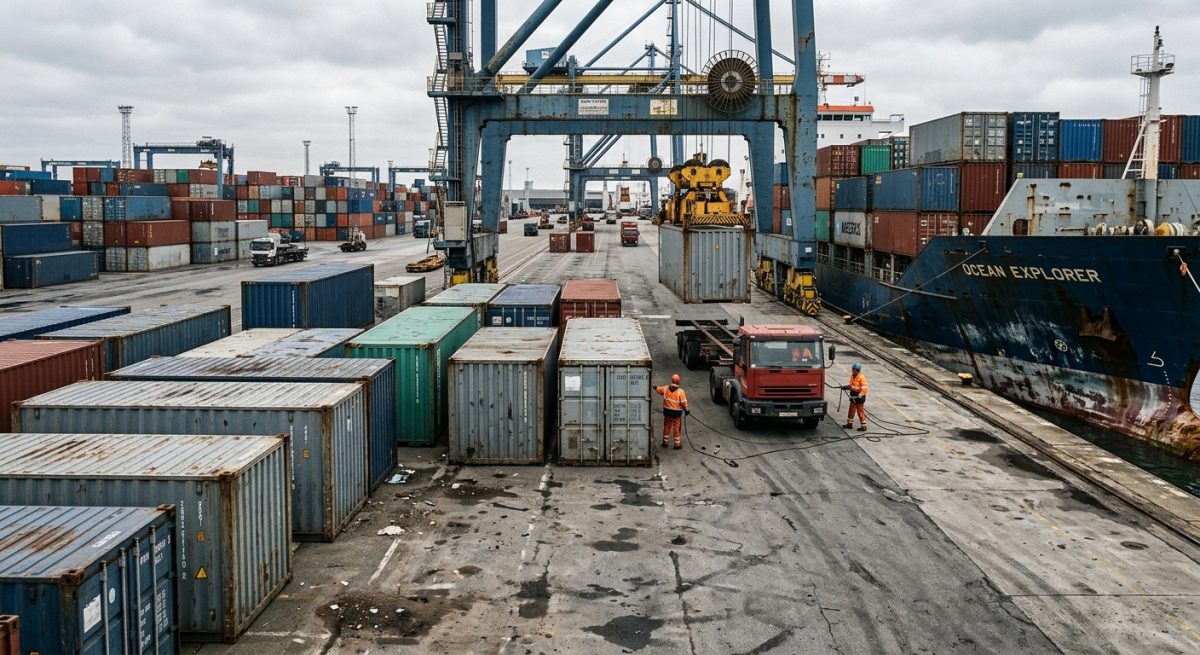
Risk Transfer Is Not the Same as Cost Allocation
One of the most important principles in Incoterms 2020 is that cost transfer and risk transfer are not always the same thing.
For example:
- under CPT, the seller pays freight to destination, but risk transfers at handover to the first carrier
- under CIF, the seller pays freight and insurance, but risk transfers when the goods are loaded on board
This distinction is fundamental in mineral trade, where transport loss, moisture damage, contamination, or delay can have significant financial consequences.
Insurance in Mineral Transactions
Insurance deserves separate attention in international mineral trade. Only CIP and CIF impose an insurance obligation on the seller. In all other rules, insurance depends on party agreement.
For mineral cargoes, insurance may need to address risks such as:
- moisture damage
- contamination
- torn or damaged packaging
- handling losses
- breakage
- transit accidents
- storage exposure
- delay-related complications
Therefore, even where insurance is included under an Incoterm, the contract should still specify the required coverage level, policy conditions, exclusions, and claims procedure.
The Role of Third-Party Inspection
In mineral trade, third-party inspection is often central to transaction security. Independent inspection agencies may verify:
- quantity
- quality
- sampling
- chemical analysis
- particle size
- moisture
- packaging condition
- loading supervision
- shipment condition
Inspection clauses should not be left vague. A well-drafted contract should define:
- which inspection company is acceptable
- who pays for inspection
- where sampling takes place
- whether the inspection result is final and binding
- how inconsistencies between inspection findings and certificates are resolved
- whether inspection is tied to payment or document release
For minerals, inspection is not just an operational step. It often sits at the intersection of pricing, risk allocation, and claims management.
Common Mistakes When Using Incoterms
Several recurring mistakes appear in international contracts.
Misusing FOB
FOB is often used in transactions that are not actually structured around loading goods on board a vessel. In inland or multimodal transactions, this can create confusion.
Failing to Define the Delivery Point Precisely
A city or port name alone may not be enough. The exact place of delivery should be stated clearly, because that point determines cost allocation and risk transfer.
Ignoring Destination Charges
Parties sometimes focus only on freight and overlook terminal handling, unloading, storage, demurrage, and other local charges.
Assuming Insurance Covers Everything
Insurance may be limited in scope and subject to exclusions or deductibles. The presence of insurance does not remove the need for careful contractual drafting.
Misalignment Between Documents and Trade Term
Invoices, packing lists, transport documents, certificates of origin, inspection certificates, and insurance documents should all be consistent with the agreed Incoterm.
How to Choose the Right Incoterm in Mineral Trade
There is no single best Incoterm for every mineral transaction. The right choice depends on:
- cargo type
- bulk or bagged format
- transport mode
- inland logistics complexity
- port structure
- buyer’s logistics capability
- seller’s control over export procedures
- destination import requirements
- insurance expectations
- inspection framework
- commercial pricing strategy
In broad terms:
- FCA, CPT, CIP, and DAP are often used in inland and multimodal transactions
- FAS, FOB, CFR, and CIF are more relevant in traditional sea freight structures
- lighter seller-obligation models may suit transactions where the buyer controls logistics
- more destination-oriented terms may suit buyers seeking a simpler delivery structure
The key is not to select a term because it is familiar. The term should fit the actual logistics and contract architecture of the deal.
Incoterms and Commercial Documentation
The effectiveness of Incoterms depends heavily on document consistency. Common trade documents include:
- commercial invoice
- packing list
- certificate of analysis
- certificate of origin
- bill of lading
- CMR or railway transport document
- insurance certificate
- inspection certificate
If these documents do not align with the chosen trade term, disputes may still arise despite using a recognized Incoterm.
Conclusion
Incoterms 2020 provide a common language for international trade, but they work properly only when they are applied with precision. In mineral export and import, that precision matters even more because logistics, handling, inspection, moisture, weight, and customs issues can all affect the commercial outcome.
A well-chosen Incoterm helps clarify:
- where delivery takes place
- when risk transfers
- who pays for transport
- who arranges insurance
- who handles customs procedures
- who is responsible for unloading
- which documents support performance
Companies that use Incoterms carefully tend to reduce disputes, improve pricing clarity, and manage international shipments more professionally. Companies that use them loosely often discover too late that a familiar trade term was not the right one for the deal.
FAQ
How many Incoterms are there in Incoterms 2020?
There are 11 Incoterms in the 2020 edition.
Do Incoterms replace an international sales contract?
No. Incoterms clarify delivery, risk, and cost allocation, but they do not replace the broader sales contract.
What is the difference between FCA and FOB?
FCA can be used for various modes of transport and involves delivery to a carrier, while FOB is intended for sea transport and requires delivery on board a vessel.
Does CIF mean the seller bears all risk until the cargo arrives?
No. Under CIF, the seller pays freight and insurance, but risk transfers when the goods are loaded on board at the port of shipment.
Which Incoterms are commonly used for inland mineral transport?
FCA, CPT, CIP, and DAP are commonly considered for inland and multimodal structures, depending on the transaction.
Do Incoterms determine product quality?
No. Product quality, technical specifications, and inspection standards must be addressed separately in the contract.