
Advanced Fluorspar Analysis Methods: Ensuring Quality through Specialized Testing
2025-07-09
Fluorite Processing with UV Sorter: Cutting-Edge Technology for High Purity
2025-07-16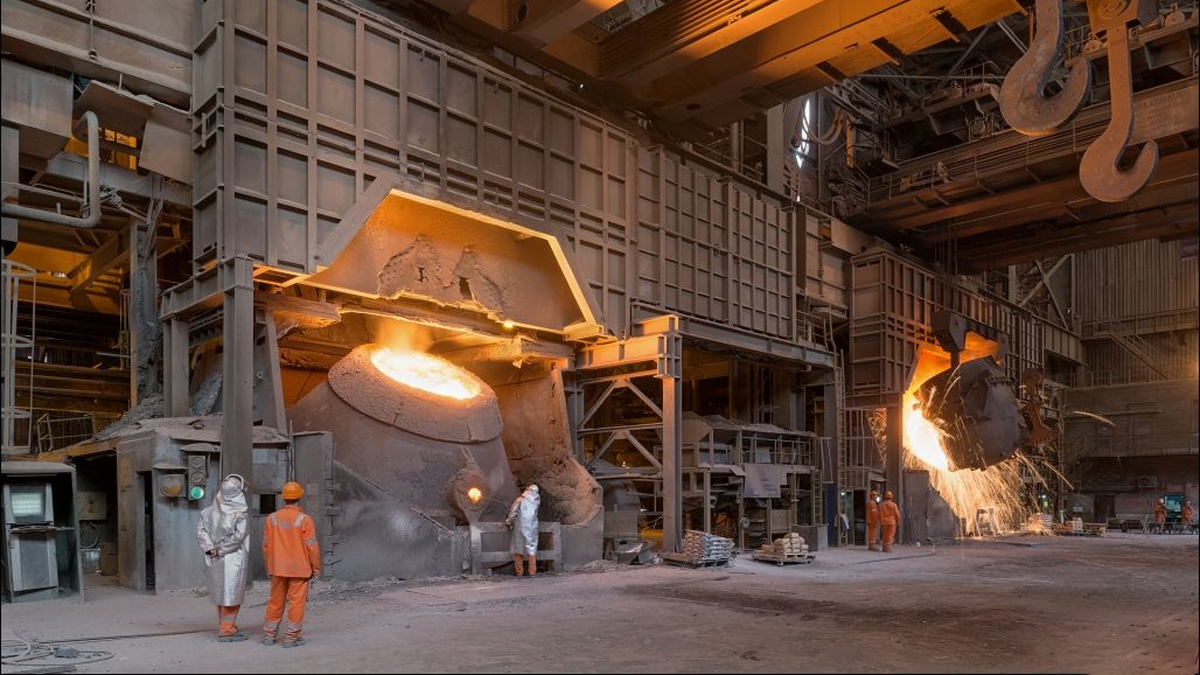
Introduction
In the steel and metal smelting industries, the use of fluxes plays a key role in optimizing processes and reducing production costs. Among these, fluorspar is one of the most effective minerals due to its unique physical and chemical properties, holding a special position in melting furnaces.
Using fluorspar in metallurgical processes, especially steel production, not only lowers melting temperatures but also improves impurity removal, increases slag fluidity, and reduces energy consumption. This article examines the practical and strategic role of fluorspar in the steel and metal smelting industries and analyzes its impact on productivity and final product quality.
Main Applications of Fluorspar in the Steel Industry
In steel production, particularly in Electric Arc Furnaces (EAF) and Blast Furnaces, the use of fluxes is essential to control chemical composition and improve furnace performance. Fluorspar (CaF₂) is one of the most effective fluxes used in these processes.
Fluorspar lowers the melting point of slag, bringing several significant benefits:
- Energy Reduction: Lower melting temperature reduces the energy required to reach operating temperatures.
- Increased Melting Speed and Slag Fluidity: Fluorspar accelerates slag formation and improves its flow.
- Reduced Refractory Wear: Lower temperature and softer slag reduce erosion of furnace linings, extending their service life.
- Facilitated Impurity Removal: Fluorspar reacts with impurities like sulfur, phosphorus, and silica, aiding their removal from the melt.
These advantages have made fluorspar a key component in producing high-quality steels, especially where precise mechanical properties and controlled chemistry are required.
Benefits of Using Fluorspar in Metal Smelting
The benefits of fluorspar in metal smelting, especially steel and heavy alloys, extend beyond melting point reduction. It offers a range of technical and economic advantages that enhance production efficiency:
- Improved Slag Fluidity
Fluorspar reduces slag viscosity, enabling smoother slag flow over the molten metal surface. This leads to uniform coverage and prevents oxidation by limiting oxygen ingress.
- Enhanced Impurity Removal
By combining with impurities such as silica, sulfur, and phosphorus, fluorspar facilitates their effective removal, significantly improving metal quality.
- Reduced Energy Consumption and Melting Time
Lower operating temperatures decrease fuel or electricity usage, shortening melt cycle times.
- Increased Refractory Life
Softer slag and reduced temperatures lower thermal and chemical stresses on refractory linings, prolonging equipment lifespan.
- Lower Operating Costs
Combined effects reduce energy, additive consumption, and maintenance expenses, resulting in substantial economic savings.
Standard Fluorspar Consumption in Steel Production
Fluorspar consumption depends on factors including furnace type, raw material composition, iron ore quality, steel grade, and usage purpose (fluxing, impurity removal, or melting point reduction). Typical consumption ranges are:
- Electric Arc Furnaces (EAF): 2 to 10 kg of fluorspar per ton of steel.
- Blast Furnaces: 1 to 5 kg per ton of pig iron.
In specific conditions, such as alloy or high-purity steel production, consumption may be higher. Optimizing fluorspar use requires precise control of its ratio with other slag components (lime, dolomite, bauxite). Excessive use can increase furnace lining corrosion or become economically inefficient, so dosage should be determined through operational experience and raw material analysis.
Differences Between Fluorspar Grades in Industrial Applications
Fluorspar (fluorite) is categorized into three main grades based on purity and intended use: metallurgical, ceramic, and acid grades. Each has specific industrial applications. In steel and metal smelting, selecting the appropriate fluorspar grade is crucial for process performance and cost control. (A detailed explanation of these grades is available in the article “Differences Between Fluorspar Grades.”)
Conclusion and Outlook
Fluorspar plays a vital role beyond a simple additive in steel and metal smelting industries. Its contributions include lowering melting temperatures, facilitating impurity removal, improving slag fluidity, and optimizing energy consumption. Particularly in the production of specialty steels and high-quality alloys, intelligent use of fluorspar can directly enhance final product quality and production efficiency.
Given the growing demand for high-quality metal products and global competition in reducing production costs, ensuring sustainable, reliable, and economical fluorspar supply is more critical than ever. Iran, with its rich fluorite resources, has the potential to become a major player in the global supply chain of this essential mineral.
Investing in targeted extraction, processing, and supply of fluorspar is not only an economic opportunity but also a strategic step in supporting the country’s foundational industries.