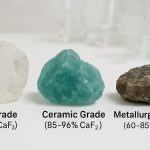
Differences Between Fluorspar Grades: Metallurgical, Acid, and Ceramic
2025-07-07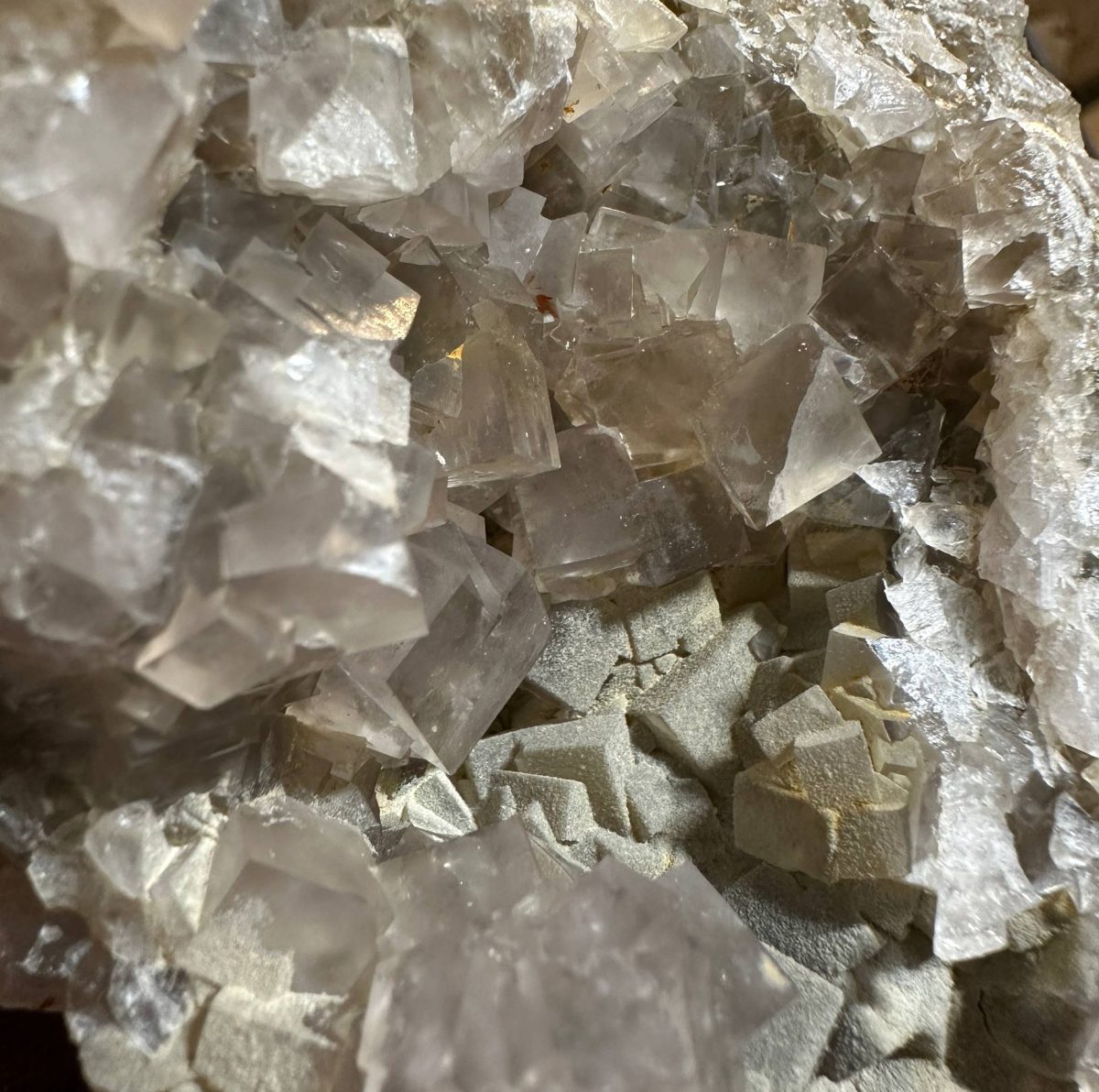
Introduction
Many key industries—from steel and aluminum to petrochemicals and glass manufacturing—depend on certain minerals without which continued production is practically impossible. One of these vital materials is fluorine or fluorspar; a relatively unknown but strategic mineral that plays an essential role in industrial processes. In this article, we get acquainted with this valuable material and explore why fluorine is so important in today’s industrial world.
What is Fluorine? A Brief Look at This Strategic Mineral
Fluorine or Fluorspar (scientifically known as “calcium fluoride” with the chemical formula CaF₂) is one of the important and widely used non-metallic minerals in industry. Due to its high fluorine content, this mineral is the primary global source of this element. Fluorine is a reactive and vital element in many industrial processes; therefore, the extraction and processing of fluorine hold strategic significance.
Fluorine typically occurs in nature as cubic crystals with a variety of colors. These colors can range from colorless to purple, green, blue, yellow, and even black, depending on impurities or specific geological conditions of mineral formation.
In many countries including China, Mexico, South Africa, and recently Iran, fluorine is recognized as a priority export mineral because of its irreplaceable role in key industries such as metal smelting, petrochemicals, glass, and ceramics production.
Despite its high industrial importance, public awareness of fluorine is very low; while its absence can halt production chains in many factories.
Physical and Chemical Properties of Fluorine
To better understand fluorine’s industrial applications, we must first get familiar with its physical and chemical characteristics:
- Chemical Composition:
Fluorine is composed of calcium and fluorine, with the chemical formula CaF₂. The fluorine purity in fluorspar can vary between 48% to over 97%, which determines its type of application.
- Hardness:
Fluorspar has a Mohs hardness of 4, meaning it is relatively soft and can be easily scratched by knives or harder minerals.
- Color and Transparency:
Due to impurities, fluorspar is found in various colors including:
- Colorless and transparent
- Purple and blue (the most common types)
- Green and yellow
- Gray and black
Some fluorspar specimens are fluorescent, meaning they glow under ultraviolet light, making them attractive in gemology and optical applications.
- Density:
Density ranges from 3 to 3.3 grams per cubic centimeter.
- Solubility:
Fluorspar is insoluble in water but readily dissolves in acids. This property is important in certain chemical and industrial applications.
- Thermal Stability:
One important property of fluorspar is its high thermal stability and chemical reactivity under certain conditions, making it widely used in metal smelting and hydrofluoric acid production.
Industries Where Fluorine is Used
As a key mineral in the industrial world, fluorspar has a wide range of applications across various sectors due to its fluorine content. Below are the most important industries dependent on fluorspar:
- Steel and Metallurgy Industry:
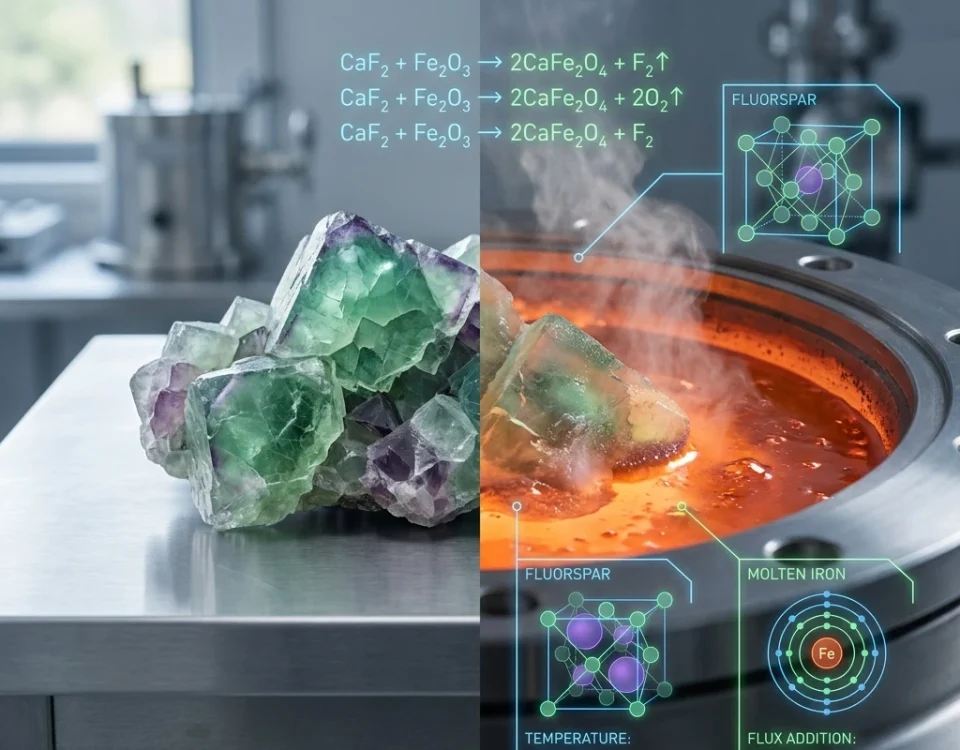
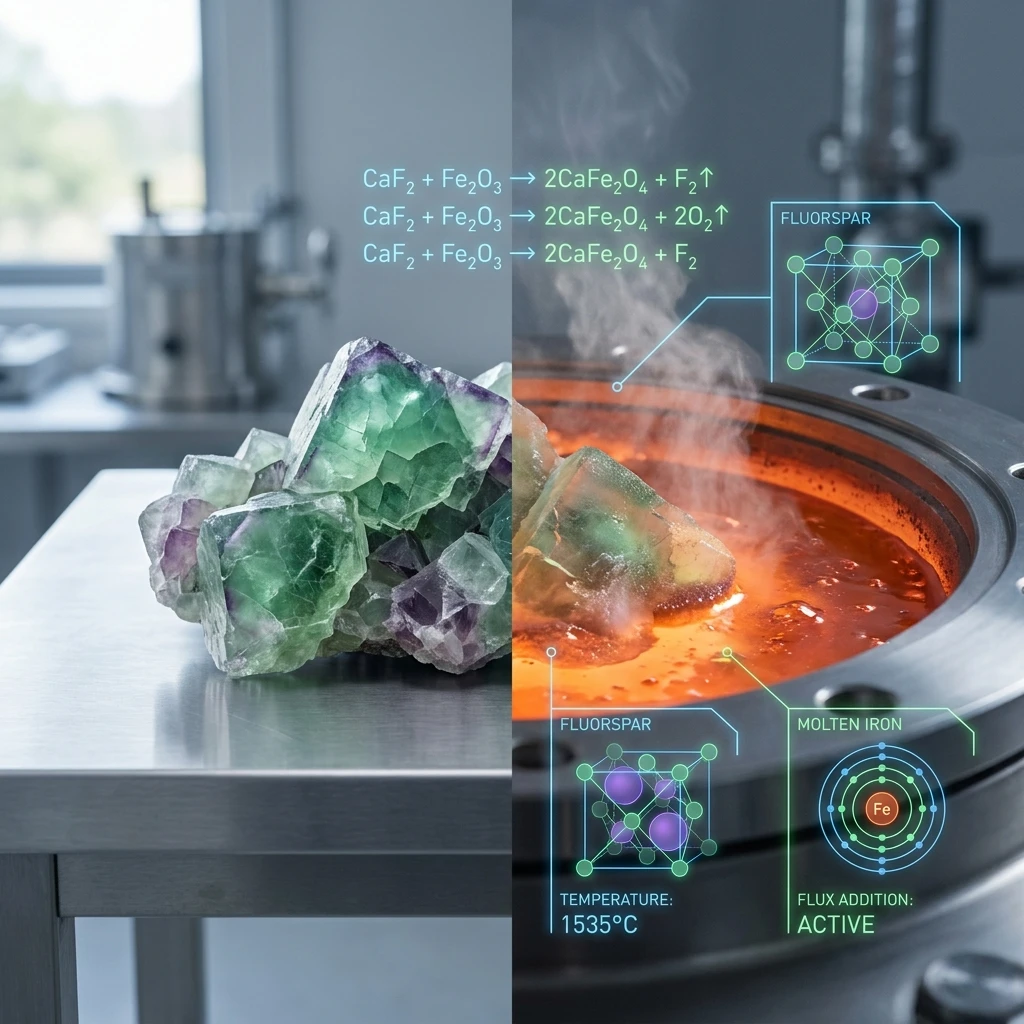
One of the main uses of fluorspar is as a flux in steel and non-ferrous metal production such as aluminum. It lowers the melting point, facilitating melting processes and increasing furnace efficiency.
In steel smelting, fluorspar helps remove impurities like sulfur and phosphorus, improving final steel quality. In aluminum production, it plays a vital role in extracting aluminum from bauxite.
- Chemical Industry:
Fluorspar is the primary source for producing hydrofluoric acid (HF), a strong corrosive acid with broad chemical industry uses, including:
- Manufacturing various organic and inorganic fluorine compounds
- Synthesizing pharmaceuticals, resistant polymers, and pesticides
- Oil and gas refining
- Producing refrigerants (though some are phased out due to ozone depletion) Without access to fluorspar, HF production—and thus many chemical production chains—would face serious disruption.
- Ceramics and Glass Industry:
Here, fluorspar is used as an additive to reduce melting points and improve material flow in glass and ceramic glaze furnaces. It enhances transparency, brightness, and certain optical and physical properties of final products. It is also used in optical glass and specialized lenses.
- Military and Nuclear Industries:
Though less common, fluorspar compounds are strategically important in uranium enrichment and nuclear fuel production due to their high reactivity.
- Other Applications:
- Dental products: Some fluorine derivatives prevent tooth decay.
- Gemology and optics: Clear and beautiful fluorspar is used in decorative items and precision lenses.
- Catalysts and specialty polymers: Used in manufacturing PTFE (Teflon) and other heat- and chemical-resistant polymers.
Overall, fluorspar is not only a strategic material for large industries like steel and chemicals but is also present in various layers of technology and production. This diversity makes the global fluorspar market highly competitive and valuable.
Why is Fluorspar Vital for the Future of Iran’s Industry?
While many minerals have found substitutes or declining use, fluorspar remains irreplaceable in industrial processes, with global demand increasing. For a country like Iran with rich mineral resources and developing industrial infrastructure, fluorspar can represent a significant strategic and economic opportunity.
Reasons why fluorspar could be a key mineral for Iran’s industrial future include:
- Iran’s Geoeconomic Position in the Regional Market:
Iran’s geographic location allows it to be a main supplier of fluorspar to nearby industrial countries such as Turkey, India, China, and Gulf states. These countries heavily depend on fluorspar imports, and Iran, by developing mines and processing infrastructure, can capture a large share of the regional market.
- Dependence of Domestic Core Industries on Fluorspar:
Industries like steel, aluminum, cement, petrochemicals, and glass in Iran directly or indirectly require fluorspar. Price fluctuations or import restrictions can severely disrupt these industries. Domestic fluorspar production ensures competitive advantage and industrial security.
- Job Creation and Economic Development in Underdeveloped Regions:
Most fluorspar mines in Iran are located in less developed areas (e.g., Hamedan, Qazvin, Kerman, Khorasan). Investment in exploration and extraction can create direct and indirect jobs, infrastructure development, and regional economic growth.
- Export Opportunities and Foreign Currency Earnings:
With rising global demand, Iran can enter international markets by investing in processing and standardizing production, capturing a share of this billion-dollar market. Exporting high-purity processed fluorspar can provide sustainable foreign exchange revenue.
- Policy Gaps and Untapped Competitive Advantage:
Unfortunately, fluorspar, despite its high value, is not recognized as a strategic mineral in Iran’s mining and industrial policies. This gap presents a golden opportunity for private sector pioneers to lead long-term development of this sector.
Fluorspar is not merely a mineral but a strategic asset for the future of Iran’s industry and economy. Attention to this mineral can create new competitive advantages and strengthen Iran’s position in the global mineral supply chain.
Summary: Fluorspar — A Lesser-Known but Essential Mineral
In the complex and interconnected industrial world, some materials play key roles but remain little known to the public or even industry professionals. Fluorspar is one of these vital materials. With its unique physical and chemical properties, it plays an irreplaceable role in manufacturing processes—from metal smelting to chemical, glass, and ceramic industries.
This article explained what fluorspar is, its properties, and why it holds a vital place in various industries (especially core industries). It also highlighted Iran’s valuable mineral reserves and strategic location, which can turn fluorspar into a source for industrial self-sufficiency, export, and economic development.
However, effective exploitation of this potential requires specialized focus, targeted investment, and smart policies. Industrialists, mining investors, and economic policymakers who focus on fluorspar today will hold a key link in tomorrow’s industrial value chain.